
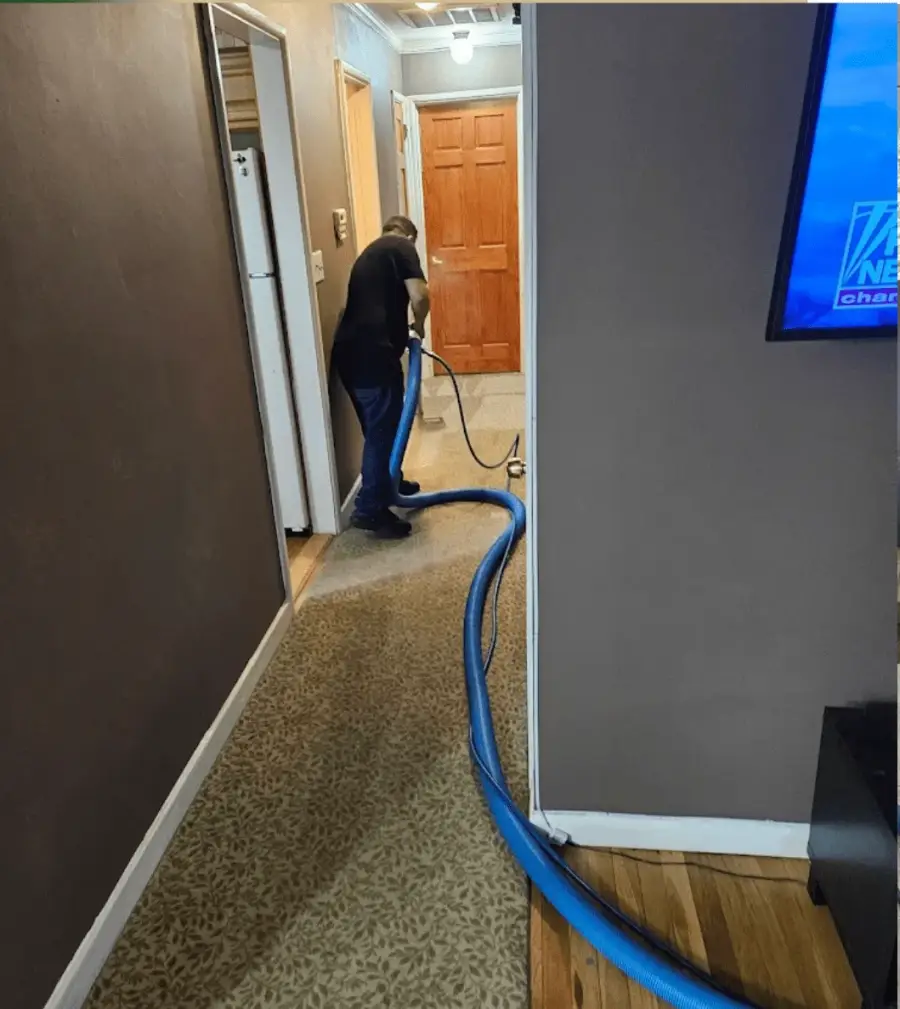
Keep a leather sofa soft through a winter of radiators and dry air
The heat comes on in October and stays on until spring. Your leather sofa sits a few feet from a radiator that can run day and night. Here is what that dry heat does to leather in a New York apartment, how to slow it down, and when a professional clean and conditioning makes sense.
Why NYC heat season is hard on leather
In New York, building heat is not optional. The city’s housing agency says heat season runs from October 1 to May 31. During the day, when it is below 55 degrees outside, the indoor temperature must be at least 68 degrees, and at night it must be at least 62 degrees no matter the weather outside.
That is good news for people and hard news for leather. In many older buildings you cannot turn a steam radiator down, so the room stays warm and dry for months. Leather is a natural skin, and like your own skin in winter, it slowly loses moisture in that air unless it gets some help.
Know which leather you have
Not all leather reacts the same way, and the right care depends on the finish. Your sofa’s tag, receipt or the maker’s website usually tells you the type. If you cannot find it, our crew checks before any product touches the surface.
- Aniline leather. Dyed all the way through with little or no top coating. It feels very soft and natural. The furniture maker BoConcept notes in its leather care guide that aniline leather has lower color fastness and needs extra protection from sunlight to avoid fading.
- Semi-aniline leather. A light protective layer on top. Still soft, a little more resistant to spills.
- Protected or pigmented leather. A colored coating on the surface. It is the most common on family sofas and the easiest to wipe, but the coating can still dry and crack.
- Bonded or faux leather. Looks like leather but is not real hide. It needs gentler products, and peeling is usually not something cleaning can fix.
The Danish maker Fritz Hansen points out in its leather guide that aniline and semi-aniline leathers have open pores that can trap dirt, which is why it recommends vacuuming leather furniture once a week.
Signs your leather is drying out
Dry leather gives warnings long before it splits. Catch these early and cleaning and conditioning can make a real difference. Once the surface has cracked open, cleaning cannot close it again.
- The surface looks dull and flat instead of having a soft sheen
- Fine lines appear on the arms, the top of the back or the seat edges
- The leather feels stiff or makes a dry, papery sound when you sit
- Color looks lighter on the side facing the window or the radiator
- Dark, shiny patches where heads and hands rest, from body oil build-up
- Small flakes of finish on the floor or on dark clothing
Radiators, sun and the 8 to 12 inch rule
Where the sofa sits matters more than any product. BoConcept’s guide says never to place leather furniture too close to a radiator or similar heat source, and to leave at least 20 to 30 cm, about 8 to 12 inches, between the furniture and the heat. Next to a fireplace or stove, it suggests at least 100 cm, a little over three feet. It also says to always protect leather furniture from direct sunlight.
In a small apartment that is not always easy, so here is what works in real New York rooms:
If the sofa must stay on the radiator wall, turn it so an arm, not the back, faces the heat. If radiators already left gray marks on the carpet near the wall, our guide to soot lines from radiators explains where those come from.
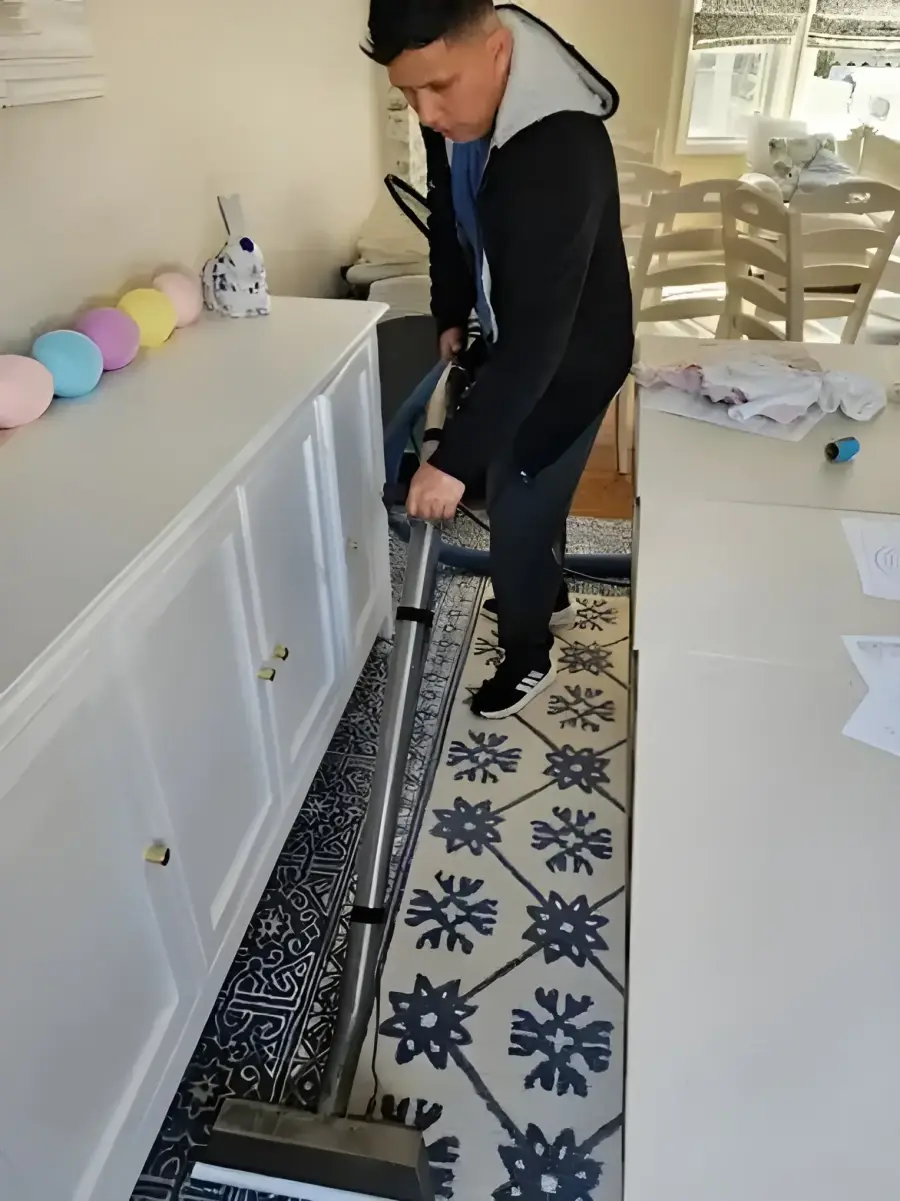
A simple leather care routine
Leather does not need much, but it needs it often. This is a routine that fits a busy city week:
- Weekly: vacuum with a soft brush attachment, especially seams and the crease where the back meets the seat.
- Weekly: wipe arms and headrests with a dry microfiber cloth to lift oil and dust before it builds up.
- 2 to 4 times a year: clean and condition with products made for your type of leather, as makers like BoConcept recommend for furniture used every day.
- Always: keep dark jeans and new dyed throws in mind. Fritz Hansen warns that textile dye can transfer onto leather with a natural surface finish.
Spills, pets and body oils
When something spills on leather, speed matters, and so does how you touch it. BoConcept’s advice is to sponge gently until the grime is absorbed and not to rub. Rubbing pushes liquid into the grain and can wear off the finish.
- Water and drinks: blot with a clean, dry cloth right away. Let it air dry, never with a hair dryer or by the radiator.
- Pet accidents: blot, then call us. Urine is not only a stain, it is a smell that can soak into the cushions under the leather. Our pet stain removal and odor removal services treat the source, not only the surface.
- Hair and body oil: the dark patches on headrests and arms. These build up slowly and come off best with a proper leather cleaner, not a kitchen spray.
- Ink and dye: do not try alcohol or nail polish remover. Fritz Hansen notes that spot cleaning leather can cause discoloration, so this is one for a professional.
DIY wipe-down vs professional leather cleaning
Home care keeps leather in good shape between visits. A professional clean does the deeper work. Here is how they compare.
| Question | DIY at home | Professional cleaning |
|---|---|---|
| Daily dust and crumbs | Yes, weekly vacuum and dry cloth | Done as the first step of every visit |
| Body oil on arms and headrests | Slow to shift, easy to spread | Lifted with a leather cleanser and soft tools |
| Knowing your leather type | Guesswork if the tag is gone | Checked and tested before cleaning |
| Conditioning after cleaning | Product choice is up to you | Conditioning treatment is part of the service |
| Pet stains and odors | Surface only | Treated at the source |
| Price | Cost of products | Free quote first, $20 off when you book online |
Leather often sits in the same room as fabric chairs, a rug and wall-to-wall carpet. One visit can cover all of it, including couch cleaning for a fabric sofa in the next room and fabric upholstery cleaning for dining chairs.
6 heat-season mistakes that crack leather
How our crew cleans and conditions leather
Inspect and test
We check the leather type and look for cracks, stains and worn spots, then test our products on a hidden area first.
Remove dry soil
We vacuum the seams, crevices and under the cushions, where crumbs and grit wear the leather like sandpaper.
Gentle cleaning
A pH-balanced leather cleanser lifts body oils and grime with soft brushes and microfiber, without soaking the hide.
Condition and protect
A conditioning treatment helps restore flexibility, and a protective finish helps the next spill bead up instead of soaking in.
We use eco-safe, non-toxic products that are safe for kids and pets. If you also have a microfiber couch or chairs, our microfiber upholstery cleaning uses a different method, and our full upholstery cleaning in NYC page lists every fabric we handle.
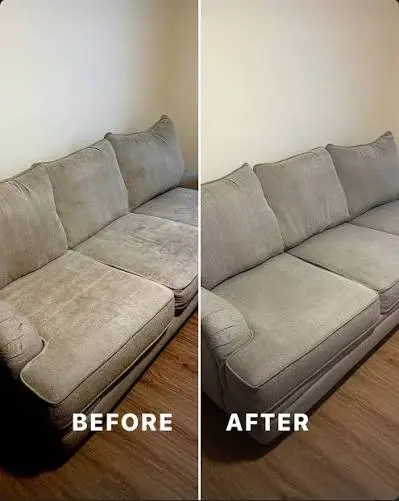
Leather care across NYC
Our same day carpet cleaning in NYC crews clean leather sofas, recliners and chairs along with carpets and rugs. In Manhattan, our crews work in pre-war co-ops on the Upper East Side and the Upper West Side, where big steam radiators sit under almost every window. This October, many of our Manhattan visits were in elevator buildings where the building asked about a certificate of insurance before the crew could come up, so check with your super early. Our guide to cleaning in a co-op or doorman building explains the paperwork.
In Brooklyn, our crews work in brownstones in Brooklyn Heights and Park Slope, where parlor floors get strong afternoon sun. In Queens, we clean in apartment buildings and houses in Rego Park and nearby neighborhoods, and we also work in the Bronx, Long Island and Westchester.
Leather feeling dry already? Book a clean and conditioning before the coldest months. Book before 2 PM for same-day service. Free quote, no hidden fees, and $20 off when you book online.
Every leather clean includes
- Free quote before we come
- Leather type check and spot test
- Vacuum of seams and crevices
- Gentle leather cleanser
- Conditioning treatment
- Protective finish
Leather furniture cleaning
Clean, conditioned leather before the driest months. Free quote, no hidden fees.
Leather furniture and heat questions
Leave at least 20 to 30 cm, about 8 to 12 inches, between leather furniture and a radiator, and keep it out of direct sun. Near a fireplace or stove, leave at least 100 cm.
For leather you use every day, 2 to 4 times a year is a good rhythm, with a light weekly vacuum in between. In NYC, one of those visits works well in the middle of the heating season.
Cleaning and conditioning can soften dry leather and make fine lines less visible. Deep cracks where the surface has split open cannot be closed by cleaning, so it pays to act at the first signs of dryness.
Usually, yes. Book before 2 PM and we can usually send a crew the same day in Manhattan, Brooklyn, Queens and the Bronx.
It depends on the size of the piece, the leather type and any stain or odor treatment. You get a free quote before we start, with no hidden fees, and $20 off when you book online.
Yes. We use eco-safe, non-toxic products that are safe for kids and pets.
- Seat cushion cleaning NYC: dining chairs, done rightCleaning codes, stains and what a pro cleaning does for chair seats.
- 7 warning signs your sofa needs professional cleaningThe smells, stains and changes that mean home care is no longer enough.
- How often should you clean your couch in NYC?A simple schedule for sofas in busy city homes.
- Cleaning velvet and silk upholstery in ManhattanWhy delicate fabrics need gentle methods.
More on the blog, or see our seat cushion cleaning services.